
Reviewed · SANTIAGO TOURS
Like Locals: Banana Plantation, and Cuscuz with locals
Fresh fruit, family recipes, and island roads. This four-hour outing from Praia brings you into Cape Verdean daily life through a banana and coconut plantation in Santa Cruz, a rum stop, and a home cooking session with a local family in Orgãos. I like the mix of outdoor scenery and hands-on food, and I like that the group is limited to eight people. The main thing to keep in mind is that the plantation visit may feel more like a guided walk than a farmer-led working experience.
I also appreciate the included pickup, return transport, breakfast, and cooking workshop. The visit with Mama Luisa and Gustavo is the heart of the day, especially if you want conversation and food rather than a quick photo stop. Still, the tour covers several places in four hours, so some stops are fairly brief.
In This Review
- Key points at a glance
- Why this half-day outing feels different
- From Praia to Santa Cruz in about 30 minutes
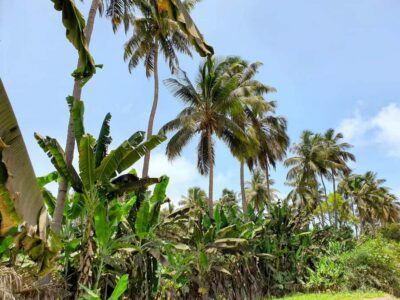
- Walking through Santa Cruz’s banana and coconut fields
- The family kitchen in São Lourenço dos Órgãos
- Rum, sugarcane, and a taste of island tradition
- Public transport and a closer look at daily routines
- The return through rocks and valleys
- What $76.57 gets you
- Who will enjoy this experience most
- Practical advice before you go
- Should you book this Cape Verde food and plantation tour?
- FAQ
- Where does the tour start?
- How long does the experience last?
- What is included in the price?
- Is lunch included?
- How many people can join the tour?
- What food will I learn to prepare?
- Can I cancel for a full refund?
Key points at a glance
- Santa Cruz plantation: Walk among Cape Verde’s largest banana and coconut fields while learning about local fruits and useful plants.
- A real home kitchen: Prepare cuscuz, a traditional cornmeal cake, and fidjós, a banana and wheat treat, with Mama Luisa and Gustavo.
- Rum and sugarcane: Visit a distillery, taste local rum, and sample sugarcane-based treats.
- Public transport and daily life: The experience includes a chance to see how residents get around, rather than keeping you inside a private tourist bubble.
- Small-group format: A maximum of eight people gives the guide more room to answer questions and adjust the pace.
- Good practical value: At $76.57 per person, pickup, transport, guiding, breakfast, plantation access, and the cooking session are included.
Why this half-day outing feels different
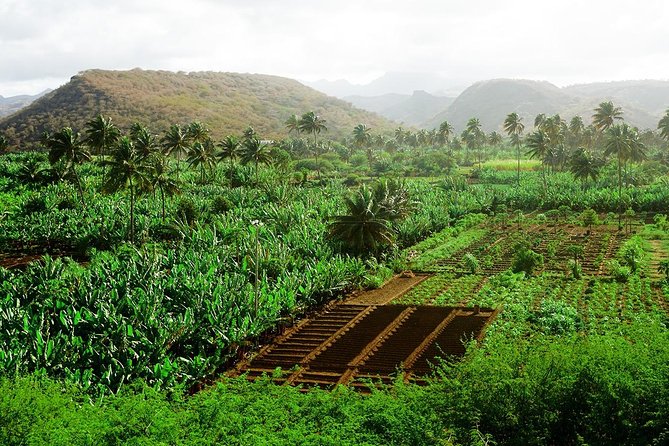
Praia has museums, markets, and city sights, but this experience takes you beyond the capital into the agricultural center of Santiago. The road inland is part of the appeal. You pass through rocks and valleys while your guide explains pieces of Cape Verdean history and points out the changing scenery.
The outing is not built around a single grand attraction. Instead, it links several ordinary but meaningful parts of island life: growing bananas, using native plants, making rum, traveling by public transport, and cooking in a family home. That combination gives you a more useful picture of the country than a quick stop at a viewpoint.
The small group matters here. With no more than eight people, you should have a better chance to ask about plants, food, family customs, and local history. A French-speaking guide has also been praised for explaining the country’s past with unusual detail, which may be important if you prefer a guide who does more than point out sights.
A few more Praia trips worth weighing up
- Santiago: Landscapes, Street Art, and Markets Day Trip
★ 4.8 · 316 reviews - From Port of Praia: Island Tour for Cruise Ship passengers
★ 4.5 · 190 reviews - Praia & Cidade Velha: Guided City Tour
★ 4.8 · 80 reviews
From Praia to Santa Cruz in about 30 minutes
Pickup begins around 9:00 a.m. at your accommodation in Praia. The drive to Santa Cruz takes about half an hour, giving you a simple start without the hassle of finding your own route into the countryside.
Transportation and return drop-off are included, so the $76.57 price is easier to judge than it might first appear. You are paying for a half-day outing with a private transfer from Praia, a guide, breakfast, a plantation walk, a distillery visit, and a two-hour cooking session.
The exact road experience will depend on the day and the guide, but the drive is not wasted time. Your guide narrates the area and the country’s past, helping you connect Praia with the farming communities outside the capital. If you enjoy seeing how a city relates to its surrounding villages, this transition is one of the useful parts of the tour.
Walking through Santa Cruz’s banana and coconut fields
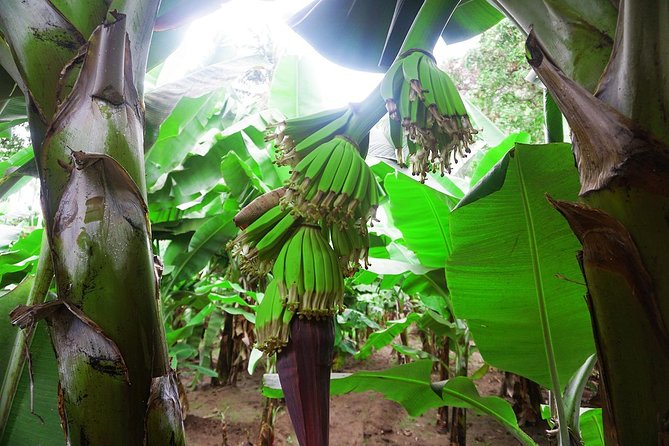
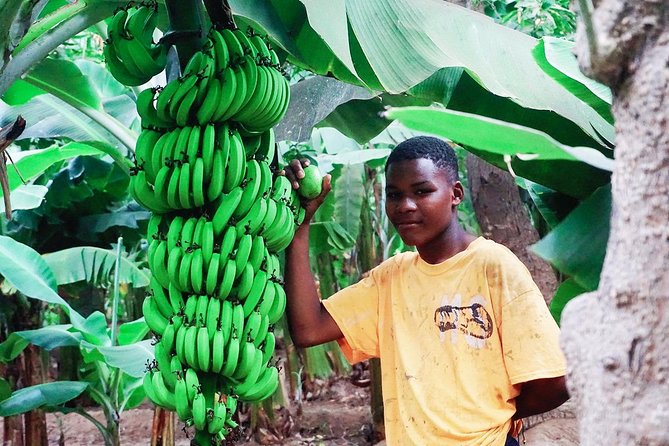
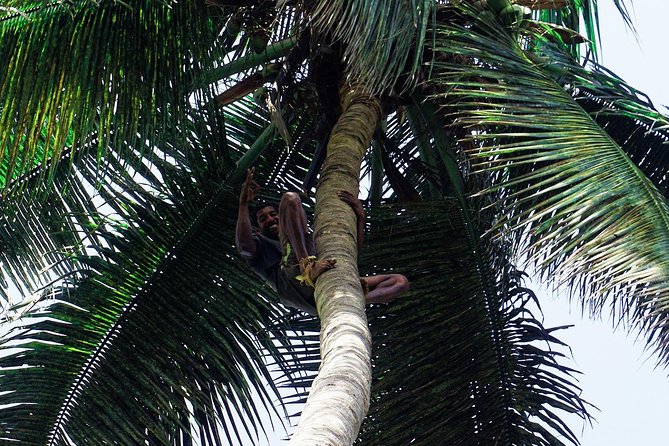
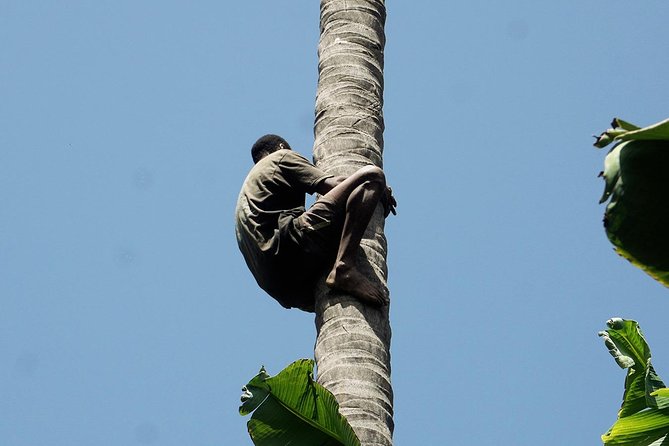
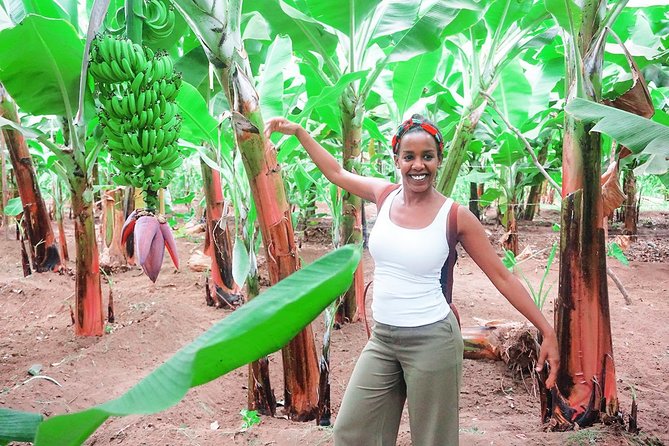
Santa Cruz is home to the country’s largest banana and coconut plantation. You walk through the agricultural fields with your guide, who explains the different fruit varieties and plants growing there.
This is a good stop for anyone who wants more than a polished garden. You see food crops in their working setting and learn about plants that support daily life. The guide also explains different uses for native plants, a detail that gives the walk practical meaning.
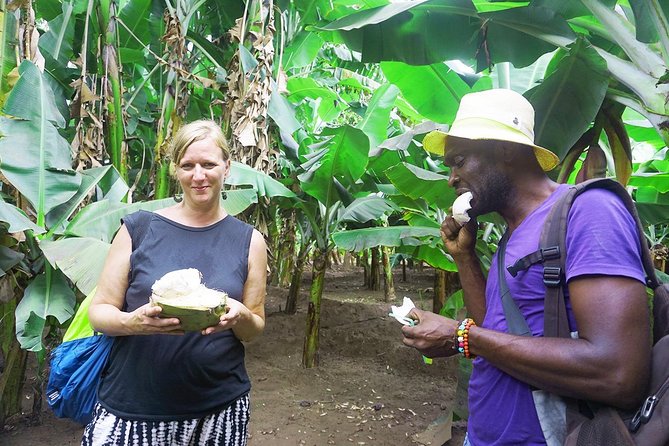
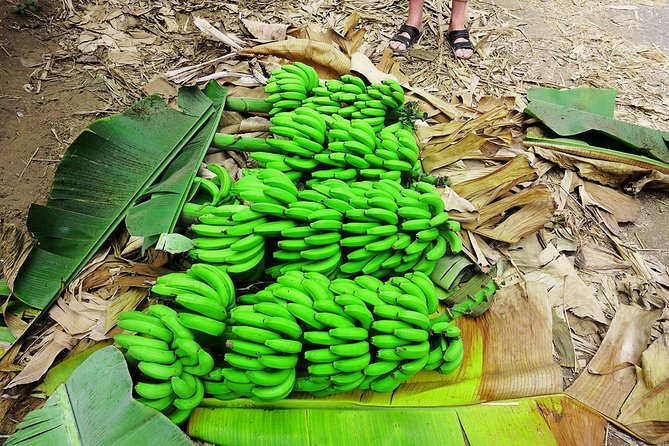
If available, you can buy fresh coconut water and organically grown local bananas at your own expense. That small purchase is worth considering because it lets you taste the produce where it is grown, though neither item is included in the tour price.
The plantation visit lasts about an hour. That is enough time for a walk and an introduction, but not necessarily enough for a long conversation with a farmer or a detailed lesson in agriculture. I would set your expectations accordingly. If you want a full farm visit with extensive work demonstrations, this may seem short. If you want an easy introduction to Cape Verde’s crops, the timing works well.
One useful point came through clearly: the plantation is pleasant, but direct contact with a farmer is not guaranteed. Your guide provides the explanation, so you should ask questions as you walk. Ask about the bananas, coconuts, sugarcane, and how local plants are used. The small group should make that conversation easier.
The family kitchen in São Lourenço dos Órgãos
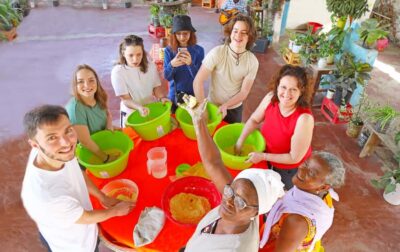
The longest stop takes place in the nearby town of Orgãos, also called São Lourenço dos Órgãos. Here, Mama Luisa and her husband, Gustavo, welcome you into a family setting and share Cape Verdean food traditions.
This is the emotional center of the outing. Instead of simply eating a prepared meal, you learn how to make two local foods. Cuscuz is a traditional cake made from cornmeal. Fidjós combines banana with wheat to create a sweet local treat.
The workshop lasts about two hours, giving you time to watch, take part, and learn how the ingredients come together. The experience is especially suited to you if food is your preferred way to understand a place. Recipes reveal what grows locally, what families keep in the kitchen, and how everyday dishes become part of national identity.
Breakfast is included, along with the cuscuz and fidjós workshop. Lunch is not included, so do not treat this as a full-day food tour. The morning meal and cooking session should provide a satisfying taste of local cuisine, but you may still want to plan another meal afterward.
The welcome from Mama Luisa and Gustavo has been singled out as a strong part of the day. That warmth is important because a home cooking visit can feel either personal or rushed, depending on the hosts and the guide. Here, the family connection appears to be a central part of the experience rather than a quick demonstration.
You should also expect a cultural exchange, not a formal culinary class. The supplied details do not promise printed recipes, professional kitchen equipment, or a market visit. What you get is a chance to cook traditional food with local hosts and learn about Cape Verdean gastronomic customs in a relaxed setting.
A completely different sort of day out on Praia:
- Serra Malagueta: Principal Valley Hike & Lunch with Locals
★ 4.7 · 64 reviews - Praia: Baobab Mysterious Tree, Green Valley & Old City Hike
★ 4.8 · 53 reviews - Santiago: Calabaceira Valley Trek & Visit to Cidade Velha
★ 4.8 · 49 reviews - From Praia: Boat Trip, Snorkeling, Cave & BBQ on the Beach
★ 4.6 · 45 reviews
Rum, sugarcane, and a taste of island tradition
The day includes a visit to a rum distillery with tastings and an introduction to sugarcane-based treats. Cape Verde has a long connection with sugarcane and rum-making, so this stop adds historical and agricultural context to the plantation visit.
The distillery works best as a complement to the rest of the day. You have already seen crops in the fields, and now you see how sugarcane becomes part of local food and drink. The tasting gives you a direct sense of that tradition.
Because the tour includes breakfast and rum tastings but excludes lunch and personal expenses, bring some spending money. Fresh coconut water, bananas, and any other personal purchases are not covered. The amount you spend is up to you.
The available details do not specify how long the distillery stop lasts or exactly which rum is served. You should expect an introduction and tasting rather than a long technical production tour. If you do not drink alcohol, the rest of the day still offers plenty: agriculture, food preparation, scenery, and local conversation.
Public transport and a closer look at daily routines
One unusual feature is the chance to see daily life as you ride public transport. Many sightseeing trips keep you in a private vehicle from start to finish. This one makes room for a more ordinary way of getting around.
That can be valuable because transport is part of how a place works. You see the connection between towns and communities in a way that a sealed vehicle can miss. It also adds a small note of unpredictability, since public transport follows local routines rather than a perfectly controlled tourist schedule.
The details do not say how long this portion lasts or which route you take. I would view it as a short, authentic element rather than the main attraction. If you need a fully private, tightly timed transfer, ask the operator for clarification before booking.
The tour is listed near public transportation, and most people can participate. Still, the day includes walking through plantation fields and moving between several locations, so comfortable shoes and a willingness to follow the group will make the experience easier.
The return through rocks and valleys
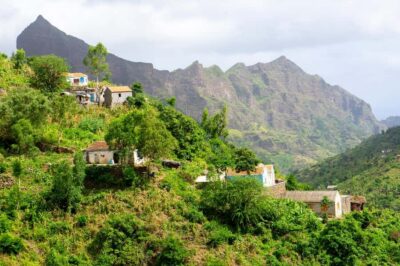
After the food workshop, you return toward Praia by a scenic route through rocks and valleys. Your guide continues the commentary, linking the views with local history and the places you have visited.
This final drive gives the day a natural ending. You have seen crops, tasted sugarcane products, cooked with a local family, and then return through the interior rather than simply retracing a dull transfer. The scenery is part of the story, even though the tour is not presented as a dedicated hiking trip.
The return drive takes about 30 minutes, with drop-off at your accommodation. Since the total duration is about four hours, you should have much of the afternoon free for Praia activities.
What $76.57 gets you
At $76.57 per person, this is not the cheapest way to spend a morning in Santiago. Its value comes from the number of pieces bundled into one outing: pickup, drop-off, transportation, a local guide, breakfast, the plantation walk, the rum distillery visit, tastings, and the cuscuz and fidjós workshop.
A smaller group also improves the value. With a maximum of eight people, you are not paying for a large coach experience where personal questions get lost. The guide can spend more time explaining plants or translating a conversation with the hosts.
The price makes the most sense if you want several kinds of experiences in one morning. You get food, farming, scenery, history, and local contact without arranging separate transport to Santa Cruz and Orgãos.
It makes less sense if your main goal is a serious agricultural study, a long rum-production tour, or a full meal. The plantation stop lasts about an hour, lunch costs extra, and the distillery details are limited. Think of this as a well-packed cultural outing, not a specialist tour.
The experience is often booked around 10 days ahead, so you may want to reserve before your trip if your Praia schedule is fixed. Free cancellation is available up to 24 hours before the start time. Changes or cancellations within 24 hours are not accepted for a refund.
Who will enjoy this experience most
I would recommend this outing to you if you want a friendly introduction to the interior of Santiago and prefer local contact over a long list of monuments. It suits people who enjoy cooking, tasting, short walks, and listening to stories about daily life.
It is also a strong choice for couples, families, and small groups who want a shared activity. The cooking workshop gives everyone something to do, while the plantation and road sections keep the day moving.
The tour may be less suitable if you dislike group transport, need a fully private schedule, or want a physically demanding outdoor activity. It is described as accessible to most people, but the information does not provide detailed mobility notes about the plantation fields or transport arrangements.
Be aware of public holidays. A French-language guide described the country’s past especially well, but holiday scheduling can affect how the day operates. The charm of the experience does not depend on a perfectly normal business day, but confirming the schedule is sensible if your visit falls on a holiday.
Practical advice before you go
Wear shoes that are comfortable for walking through agricultural fields. The plantation portion is not described as a hike, but uneven ground is possible in any working farm setting.
Keep a little cash available for personal expenses, especially if fresh coconut water or local bananas are available. Lunch is not included, so plan your next meal in Praia or ask the operator whether there is a convenient option after the tour.
If food matters most to you, tell the guide at the start. That gives you the best chance to focus your questions on cuscuz, fidjós, ingredients, and local cooking methods.
If you speak French, ask whether a French-speaking guide is available for your date. A French-speaking guide has received particular praise for explaining Cape Verde’s history, but the specific guide assigned to every departure is not named.
Should you book this Cape Verde food and plantation tour?
Book it if you want a small, personal outing that combines farming, rum, scenery, public transport, and home cooking. The visit with Mama Luisa and Gustavo is the strongest reason to choose it, while the included transport and breakfast make the price reasonable for a half-day from Praia.
Skip it if you want a deep agricultural tour, a long distillery visit, or a full lunch. The plantation may not include a direct meeting with a farmer, and several stops share a four-hour schedule.
For most people looking for a warm introduction to Santiago beyond Praia, I would book it. Just leave room for the day to feel local rather than tightly scripted, and remember that the best part may be sitting in a family kitchen, learning a recipe you will not find on a standard sightseeing route.
FAQ
Where does the tour start?
Pickup is offered from your accommodation in Praia. The stated start time is 9:00 a.m.
How long does the experience last?
The tour lasts approximately four hours, including the drives from Praia and the return to your accommodation.
What is included in the price?
Pickup and drop-off, transportation, guiding, breakfast, and the cuscuz and fidjós workshop are included.
Is lunch included?
No. Lunch is not included, and personal expenses are also separate.
How many people can join the tour?
The group has a maximum of eight people.
What food will I learn to prepare?
You will learn to prepare cuscuz, a traditional cornmeal cake, and fidjós, made with banana and wheat.
Can I cancel for a full refund?
Yes. You can cancel at least 24 hours before the experience start time for a full refund. Cancellations or changes made within 24 hours are not refunded or accepted.
Just added around Praia
- Santiago Island: Private Airport Transfer to Praia or Vice Versa★ 5.0 · 3 reviews
- Cape Verde: Best Hikking Trails of Santiago Island – 6 Days★ 5.0 · 3 reviews
- Praia City Tours★ 3.4 · 3 reviews
- Hiking Águas Belas Cave★ 4.5 · 3 reviews
- Best of Santiago Island: Cidade Velha, Workshop & Tarrafal Beach Tour★ 4.5 · 3 reviews
- Tarrafal Bay Boat Trip and Beach Day★ 4.4 · 3 reviews
- From Praia: Full-Day Guided Fogo Island Tour★ 4.2 · 3 reviews
- Praia: Plateau and Cidade Velha Guided Tour★ 5.0 · 3 reviews
Santiago Tours, compared.
Santiago Island Tour with Tastings and Tarrafal Beach
Read our review →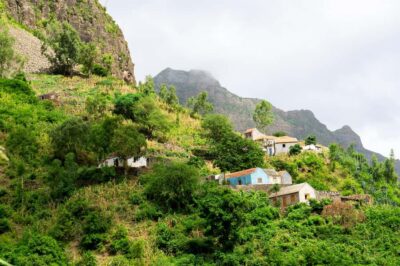
From Port of Praia: Island Tour for Cruise Ship passengers
Read our review →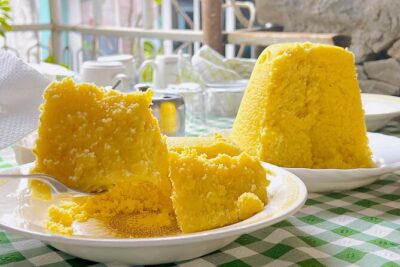
Santiago Island Tour: Meet with a Local Family & Tarrafal Beach
Read our review →
Island tour with German-speaking guide for cruise guests
Read our review →
Serra Malagueta: Principal Valley Hike & Lunch with Locals
Read our review →Browse the lists this tour appears in