
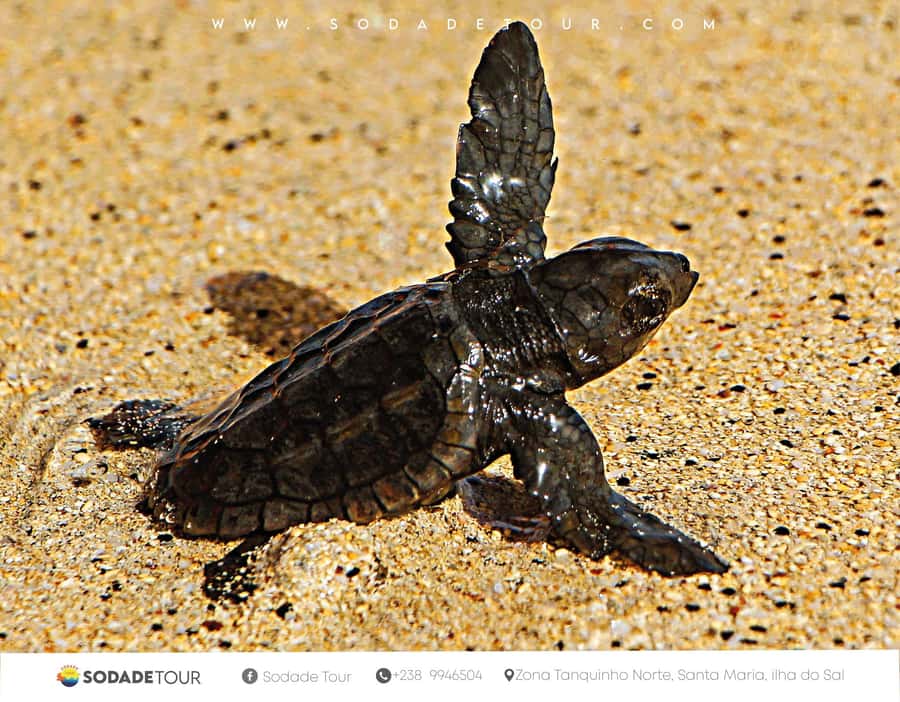
Reviewed · SEA TURTLE WATCHING
Santa Maria: Sea Turtle Watching Experience on Sal Island
Moonlight makes Sal’s beaches feel wonderfully wild. I like the chance to watch a sea turtle lay eggs in its natural setting, and I like that trained guides put the animal’s welfare before a close-up photo. The main catch is patience: sightings are not guaranteed, and you may spend two hours waiting quietly on a dark beach.
This evening trip from Santa Maria costs $41 per person, including transport, a guide, hotel pickup, drop-off, and infrared lighting. Guides such as Nany, Dani, and Chan have earned praise for their clear explanations and calm handling of the group. Still, this is not a quick photo stop. Sand, darkness, silence, and changing pickup times are part of the deal.
In This Review
- Key points to know before booking
- Why sea turtle watching is special on Sal
- Leaving Santa Maria after dark
- Walking across the sand to the viewing area
- Waiting quietly under the stars
- Seeing a turtle choose her nesting place
- Baby turtles are possible, but not promised
- Conservation is more than a talking point
- Is $41 a fair price?
- What to wear and pack for Sal’s turtle beach
- The drawbacks you should weigh
- Who should book this experience?
- Should you book the Sal Island turtle tour?
- FAQ
- Where does the sea turtle watching experience take place?
- How much does the experience cost?
- What does the price include?
- What time does the tour begin?
- How long does the experience last?
- Is seeing a turtle guaranteed?
- Can I take photographs or record video?
- What should I wear?
- Is the tour suitable for children and people with mobility impairments?
- Which languages are available?
Key points to know before booking
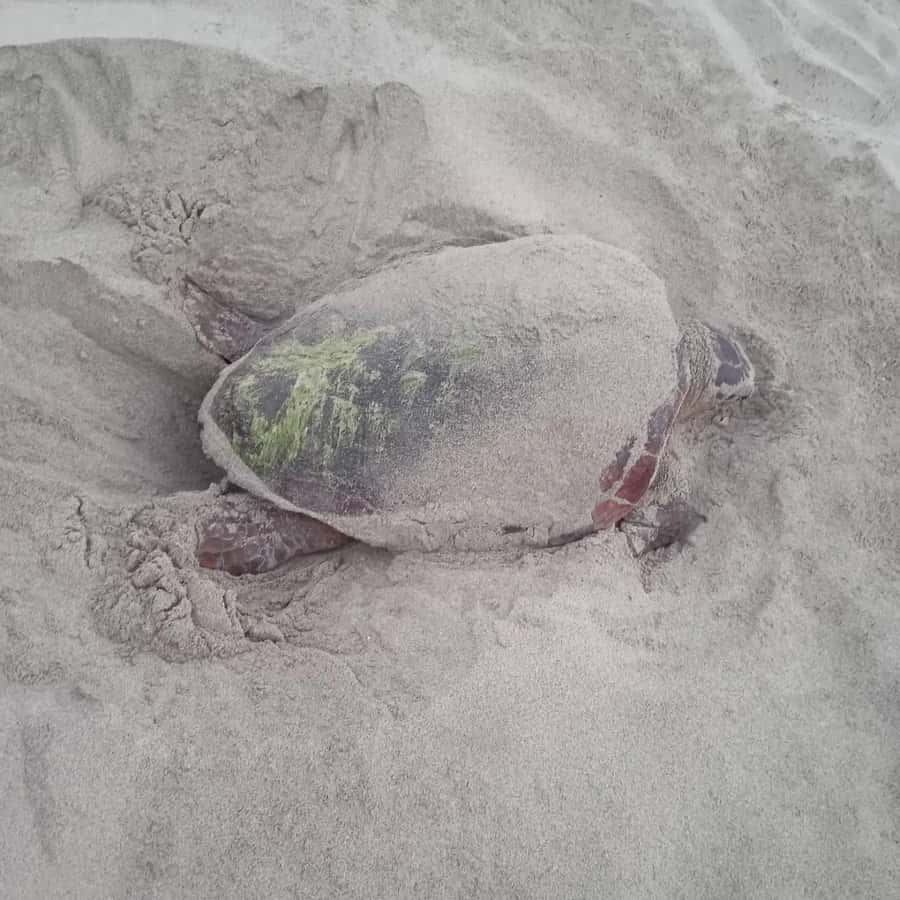
- Watch the full nesting process: With good luck, you can see a turtle come ashore, dig a nest, lay eggs, cover them, and return to the sea.
- Pickup times can change: The activity may run between 7:30 PM and 10:30 PM, with the exact transport time confirmed on the morning of the trip.
- Guides take conservation seriously: You will be asked to stay quiet, avoid flash, and use only the supplied infrared lighting.
- Small viewing groups help: A larger group may be split into smaller sections near a nesting turtle.
- Dark clothes really matter: Black, dark brown, navy, or dark grey clothing helps avoid startling the turtles.
- Expect a beach walk and waiting: Comfortable shoes are essential, and the experience suits people who can manage sand and darkness.
Why sea turtle watching is special on Sal
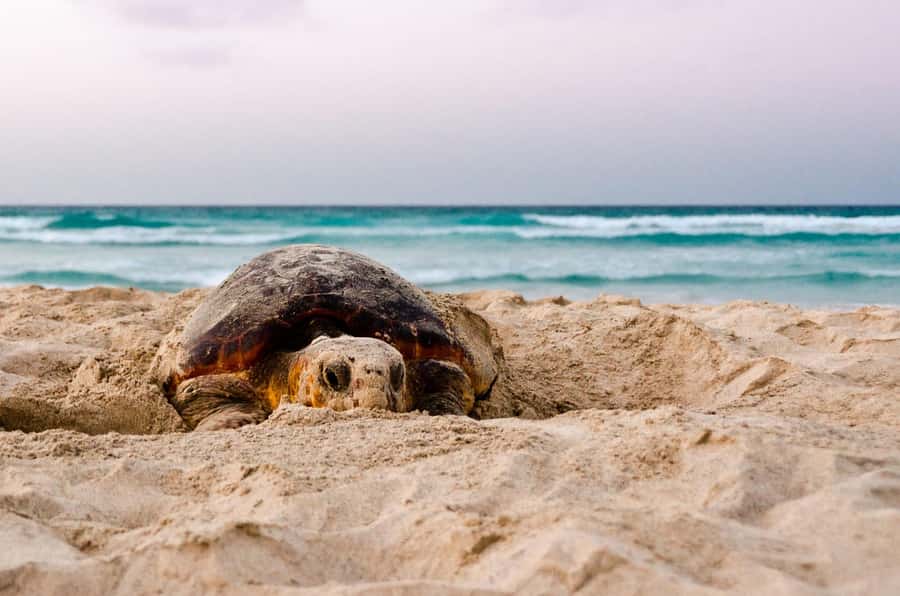
Cape Verde is one of the important nesting areas for the common sea turtle. The islands are home to three turtle species, and the common, also called the yellow turtle, is the one you are most likely to see on Sal.
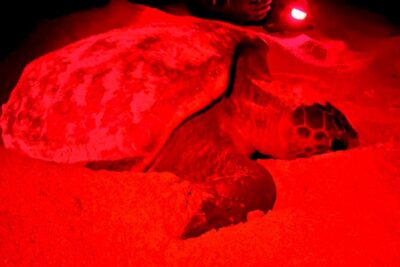
The nesting season turns a quiet beach into a remarkable natural setting. A female turtle leaves the water, crawls above the tide line, and searches for a suitable place to lay. She then digs with her rear flippers, deposits her eggs, covers the nest, and slowly heads back to the sea.
That process can take time. It is also easy to disturb. Bright lights, voices, sudden movement, and people crowding around the animal may cause her to abandon the attempt. This is why the rules here are not fussy extras. Silence and darkness are part of the conservation work.
You may see only one turtle. You may see several. You may see a turtle arrive but leave before laying. The natural world does not follow a tour timetable, so the experience is best approached as a chance to observe, not a promised performance.
More Sea Turtle Tours in Sal
- Santa Maria: Sal Island Sea Turtle Watching Experience
★ 4.5 · 256 reviews - Turtle Watching Adventure
★ 5.0 · 98 reviews - 4h Turtle Watching with SSV Buggy Night 4WD
★ 5.0 · 20 reviews
Leaving Santa Maria after dark
Pickup is usually arranged in the evening, originally described as around 8 PM, but new environmental guidelines allow the schedule to vary between 7:30 PM and 10:30 PM. You receive the exact transport time on the morning of the activity.
That changing schedule matters. Do not plan a tightly timed dinner, show, or late-night outing around this trip. The return is usually around 10 or 11 PM, though the actual finish depends on the turtle activity and the time spent at the beach.
Transport is in a comfortable, air-conditioned vehicle. The drive to the beach is generally less than an hour, with several people describing it as about 30 minutes. During the ride, your guide explains what will happen and introduces the basic turtle facts, so you arrive with a better idea of how to behave.
Hotel pickup and drop-off are included, which makes the $41 price easier to justify. You do not need to arrange a taxi to a remote beach at night, and you have a guide managing the arrival and departure. For a short evening activity, that is useful value.
Walking across the sand to the viewing area
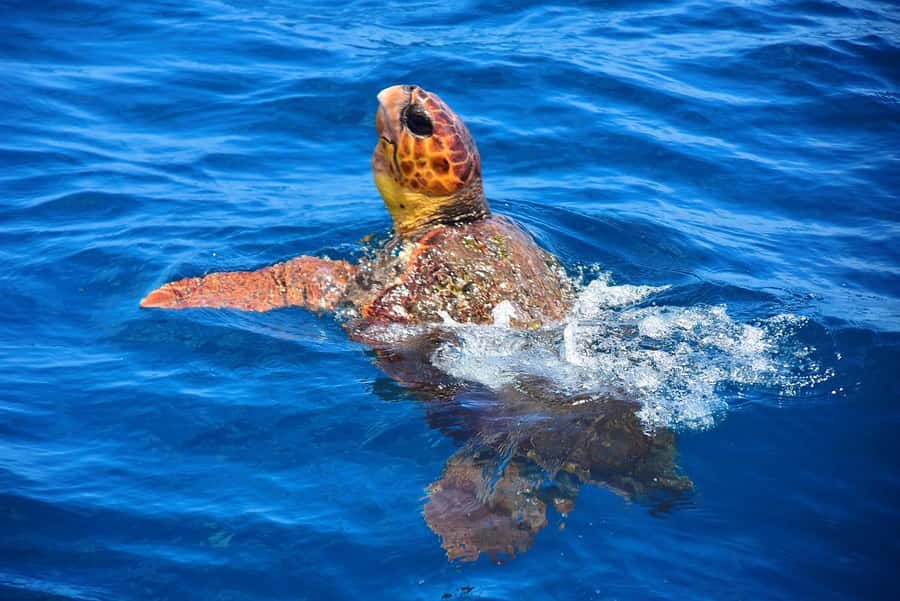
When you reach the beach, expect a short walk over sand in the dark. The walk is not described as long for everyone, but one account mentions a longer walk along the beach, so bring shoes you can comfortably use on uneven ground.
This is not a wheelchair-friendly activity, and it is not suitable for people with reduced mobility. Children under three cannot join, and the dark setting may be uncomfortable for anyone with a fear of the night. You must also be sober to take part.
Your guide gives an explanation of the turtles, their nesting habits, and the work done to protect them. Names that come up repeatedly include Nany, Dani, and Chan. Nany is praised for clear answers and an upbeat manner, while Chan is noted for explaining both the turtles and the wider story of Cape Verde. The exact guide depends on the evening, but the standard is clearly a strong point of the trip.
The group may number around 20 people at first. Near a turtle, the guide can divide the group into smaller sections so the animal is not surrounded. That arrangement also gives you a better chance to see what is happening without a wall of people blocking the view.
Waiting quietly under the stars
The waiting is the part you need to understand before booking. Guides search for turtles while the group remains at a selected spot. Some evenings bring a turtle within 20 or 30 minutes. On another night, you might wait two hours or more.
You will be sitting or standing quietly on a dark beach, often with nothing to look at except the sand, sea, and stars. One of the pleasures is the night sky, but this is not the right activity for anyone who needs constant movement or entertainment.
Bring a light jacket because the evening can feel cool, and consider mosquito repellent. These tips come directly from the practical experience of people who found the beach chilly or noticed insects. Wear dark clothing from head to toe if possible. White shirts and bright colours can make you more visible to the turtle and may disorient her.
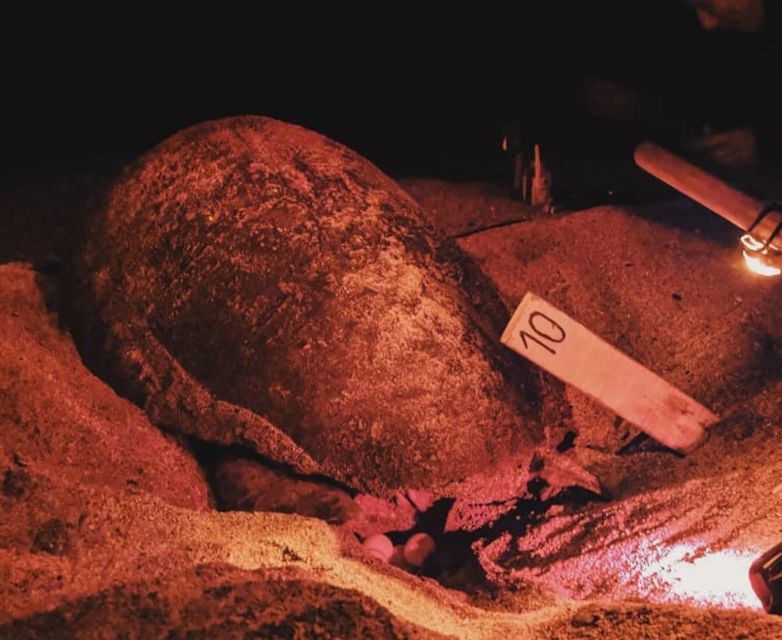
Do not bring a flashlight. Do not use flash photography. Video recording is also not allowed. The tour provides infrared lighting, which lets the guide work without exposing the turtles to harsh white light.
More around Santa Maria beach and the pier:
- Santa Maria: Guided Snorkeling and Reef Tour
★ 4.2 · 809 reviews - Sal Island: Shark Bay Experience from Santa Maria
★ 4.7 · 345 reviews - Santa Maria, Sal: All inclusive Salt Lake, Blue Eye and Shark Bay
★ 5.0 · 311 reviews - From Santa Maria: Sal island Zipline Experience (Official)
★ 4.7 · 227 reviews
Seeing a turtle choose her nesting place
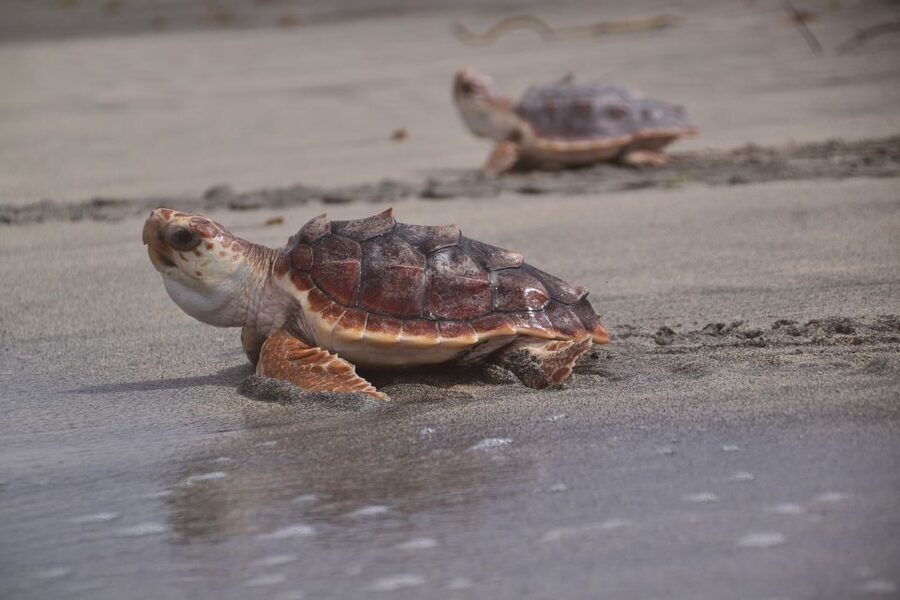
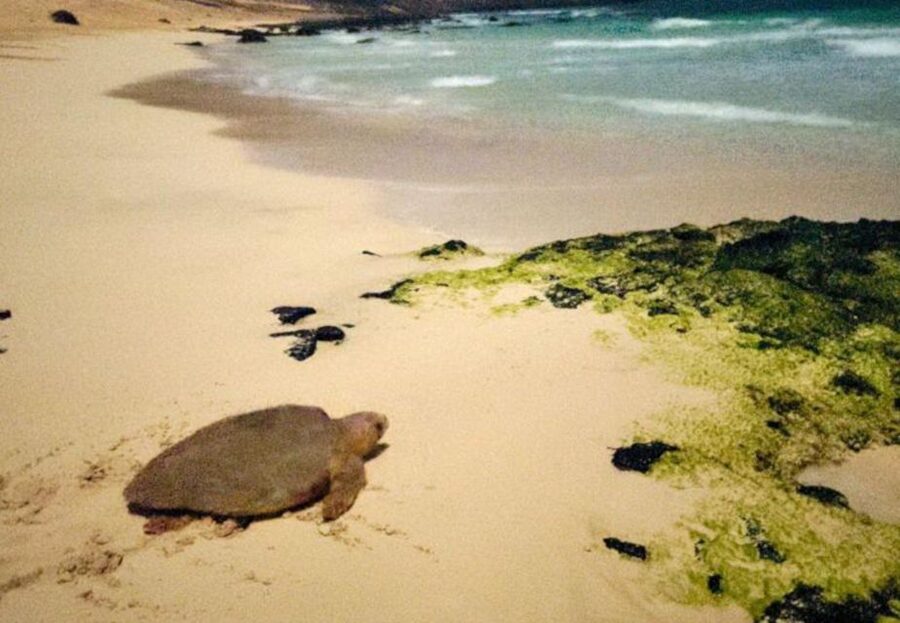
The best moment begins when a turtle comes out of the water. At first, she may crawl slowly across the sand and pause several times. Your guide will tell you when to remain still and when you can move into position.
You may watch her test the sand, dig a body pit, and use her rear flippers to make the egg chamber. Once she begins laying, she is less likely to be disturbed, but the group must remain quiet and follow the guide’s instructions.
This close view is powerful because it is not staged. You are not seeing an animal trained to appear at a set time. You are watching an ancient nesting routine unfold on a real beach, with no soundtrack except the sea and the guide’s low explanation.
The guides explain the turtle’s evolution, physical traits, nesting behaviour, and the reasons its protection matters on Sal. They may also discuss measurements and conservation checks. One evening included experts taking measurements from turtles that were around 80 centimetres long.
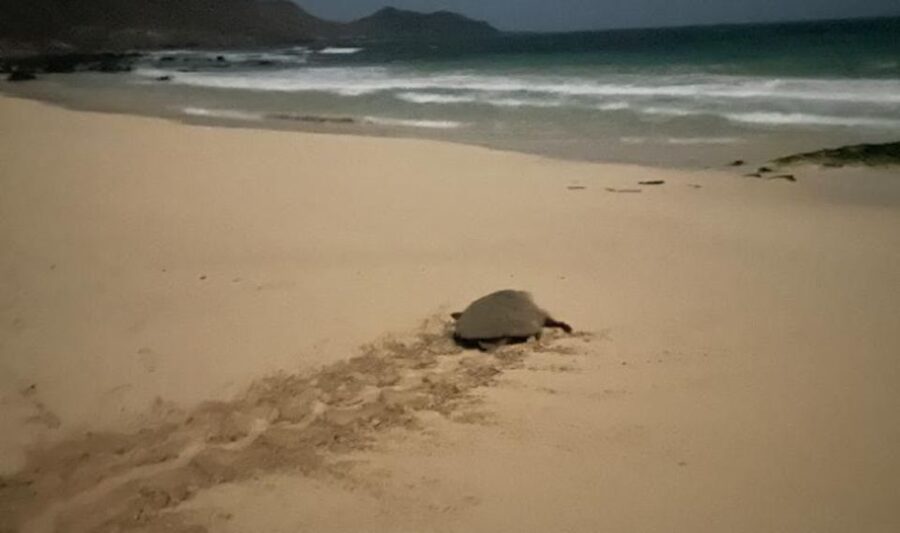
The strongest part of the experience is the complete sequence. With luck, you will see the turtle lay her eggs, push sand over the nest, disguise the site, and return to the sea. Watching the final crawl back to the water can be surprisingly moving. The animal seems slow and vulnerable on land, then disappears into the surf.
Baby turtles are possible, but not promised
Hatching is a bonus, not the main purpose of the trip. Some outings have included small turtles emerging from the sand, and guides have helped lost hatchlings reach the sea. Other evenings have produced no babies at all.
The same applies to the number of adult turtles. Some groups see one turtle. Others see two, three, or even four arriving from the water. One account describes seeing three turtles laying eggs and observing the complete cycle each time. Another saw a turtle but not the egg-laying stage.
The operator reports a 99 percent success rate over the last five years, but that figure should not be mistaken for a guarantee. Environmental conditions, tides, turtle behaviour, and the presence of other groups can affect what happens.
A turtle can also turn around and return to the water if she feels disturbed. That is frustrating if you have waited a long time, but it is also a clear reminder that the animal comes first. The most responsible guides will not force a sighting or crowd a turtle simply to satisfy the group.
Conservation is more than a talking point
The value of this experience goes beyond seeing a large turtle at close range. You learn why Sal’s beaches matter, how nesting takes place, and why local protection rules are strict.
The best guides make the science understandable for different ages and backgrounds. They answer questions about the turtles’ journey before and after nesting, explain the egg-laying process, and show how small changes in human behaviour can reduce harm.
That educational side is especially useful if you are travelling with older children. Young children under three are not permitted, and the darkness, silence, and walking make this unsuitable for toddlers anyway. Older children who can wait patiently and follow instructions may find it memorable.
The activity is offered in English, Spanish, French, and Portuguese. That language range can make the explanations easier to follow, though the available guide and language may vary by departure.
Is $41 a fair price?
At $41, this is reasonably priced for a guided evening outing. The fee covers the return vehicle, hotel pickup and drop-off, guide services, the beach visit, and infrared lighting. You are also paying for the local expertise needed to locate turtles and approach them correctly.
The value depends on your expectations. If you need a guaranteed sighting, the price may feel high when a turtle does not appear or leaves before laying. If you value conservation, local instruction, and the chance to observe wildlife responsibly, the cost is easier to defend.
The transport adds practical value. You do not have to find a dark beach by yourself or worry about driving back after a late evening. The trained guide also changes the experience from simply walking along the shore to understanding what you are seeing.
I would not book this solely for photographs. Flash is banned, video recording is not allowed, and the darkness limits what you can capture. Book it for the experience itself. The memory of a turtle covering her nest is likely to matter more than a perfect image.
What to wear and pack for Sal’s turtle beach
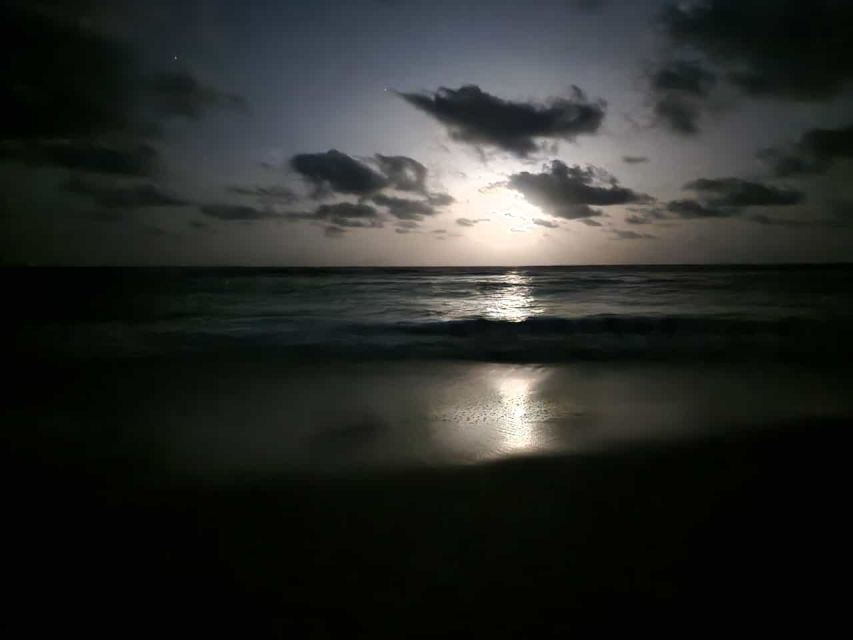
Keep your preparation simple:
- Wear black, dark brown, dark blue, or dark grey clothing.
- Choose comfortable shoes that work on sand.
- Bring a light jacket for the evening.
- Use mosquito repellent if insects bother you.
- Leave flash equipment and flashlights behind.
- Do not plan to record video.
Your guide supplies infrared lighting. You should not use your own flashlight, phone light, or camera flash, since sudden bright light can disturb or disorient the turtles.
A quiet attitude is just as important as the right clothing. You may need to sit still for a long period. Keep voices low, follow the guide’s position, and do not move toward a turtle without permission.
The drawbacks you should weigh
The lack of control is the biggest drawback. Even with a very strong recent success rate, no one can order a turtle onto the sand. You might see several turtles, or you might see one briefly.
The timing is also flexible rather than fixed. A pickup time confirmed only on the morning of the trip can make evening planning awkward. The total outing is commonly about two to three hours, but waiting time can stretch it.
Darkness adds atmosphere but reduces comfort. People with limited balance, mobility concerns, or a fear of the dark may find the walk and beach observation difficult. The group size can also feel busy if several tour parties gather in the same area, although your guide may move the group or split it into smaller viewing sections.
These are not reasons to reject the experience. They are reasons to book it with realistic expectations. Nature watching rewards patience, and this particular activity asks for more patience than most standard excursions.
Who should book this experience?
I would recommend it to anyone who cares about wildlife and wants a more meaningful evening than a standard resort outing. It is especially suitable for couples, solo visitors, families with older children, and anyone interested in conservation.
You should enjoy quiet observation and accept that the turtle controls the schedule. The experience suits people who can walk over sand, sit in darkness, and keep still when a turtle begins nesting.
I would skip it if you need guaranteed entertainment, have serious mobility limits, use a wheelchair, or dislike dark open beaches. It is also a poor match if you are hoping to take bright photos or make a video.
Cancellation is available up to 24 hours before the activity for a full refund, and you can reserve now and pay later. That flexibility helps because the best decision may depend on your plans and the current nesting conditions.
Should you book the Sal Island turtle tour?
Yes, if you want a quiet, carefully managed wildlife experience and can accept uncertainty. The combination of hotel transport, skilled local guides, infrared lighting, and a $41 price makes this a sensible choice in Santa Maria.
Book it for the chance to watch the whole nesting routine, not for a guaranteed baby turtle or a polished photo. Wear dark clothes, bring comfortable shoes, prepare to wait, and let the guide protect the animal’s space. If a turtle arrives and begins laying, you may witness one of Sal’s most unforgettable natural moments.
FAQ
Where does the sea turtle watching experience take place?
The tour leaves Santa Maria and travels to a beautiful, deserted beach on Sal Island where turtles come ashore to nest.
How much does the experience cost?
The price is $41 per person.
What does the price include?
The price includes hotel pickup and drop-off, transportation, a guide, the tour, and infrared lighting.
What time does the tour begin?
The activity may take place between 7:30 PM and 10:30 PM. The exact transport time is confirmed on the morning of the event.
How long does the experience last?
Return to your accommodation is usually around 10 or 11 PM. The total duration can change because turtle sightings and waiting times are not fixed.
Is seeing a turtle guaranteed?
No. Nesting depends on environmental conditions and turtle behaviour. The stated recent success rate is 99 percent over five years, but sightings and nesting cannot be guaranteed.
Can I take photographs or record video?
Flash photography and video recording are not allowed. Flashlights are also prohibited. The guide provides infrared lighting for observation.
What should I wear?
Wear dark-coloured clothing, such as black, dark brown, dark blue, or dark grey. Comfortable shoes for walking on sand are essential.
Is the tour suitable for children and people with mobility impairments?
It is not suitable for children under three, people with reduced mobility, or wheelchair users. It is also not recommended for people with a fear of the dark.
Which languages are available?
The experience is offered in English, Spanish, French, and Portuguese.
More Sea Turtle Tours
- Sal: Turtle Nesting with professional local guide
★ 4.7 · 18 reviews - Watch Sea Turtles Nesting – Night Tour in Sal Island
★ 4.1 · 14 reviews - Private Turtle Watching Experience
★ 5.0 · 12 reviews - Santa Maria, Sal: Ultimate Guided Turtle Nesting Experience
★ 4.8 · 9 reviews
Just added around Sal
- Sal Island in a Group – A Full Day Exploring the Highlights★ 5.0 · 3 reviews
- Sal Island: Catamaran cruises on Sal Island★ 3.7 · 3 reviews
- Sal island: Guided Historical and Cultural Tour★ 4.4 · 3 reviews
- Facial treatment★ 5.0 · 3 reviews
- Sal: Small Group Island Tour & Lunch with a Local Family★ 4.4 · 3 reviews
- Sal: Romantic Sunset Escape with Wine and Roundtrip Transfer★ 4.3 · 3 reviews
- Sal Island All-inclusive Adults-only Catamaran Cruise★ 5.0 · 3 reviews
- 4×4 Off Road Full-Day Private Tour – Sal Island Hidden Secrets★ 5.0 · 3 reviews
Sea Turtle Watching, compared.
Shark, Turtles, Cave, Sandboarding & Tasting Tour
Read our review →
Turtle, Shark, Santa Monica, Sandboard & Tasting
Read our review →
Beautiful Beaches, Turtles & Djeu Island Snorkel
Read our review →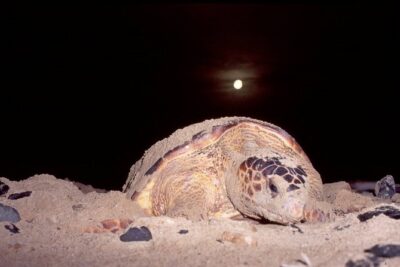
Browse the lists this tour appears in