
Reviewed · SEA TURTLE WATCHING
Watch Sea Turtles Nesting – Night Tour in Sal Island
The beach comes alive after dark. Sal’s protected shores host one of the world’s three largest loggerhead turtle reserves, and this nighttime tour gives you a rare look at a female turtle digging, laying eggs, and returning to sea. I like the nearly 100% sighting rate reported across the past five nesting seasons, plus the careful use of red or infrared lights. The main drawback is timing: some departures have lasted only about 90 minutes, not the advertised two to three hours.
I also like that your ticket supports local turtle protection and education work, while the small groups keep the scene quiet. Come prepared for sand, mosquitoes, and patience. One useful tip from the experience: cover your arms and legs, since the beach can be heavily affected by mosquitoes.
In This Review
- Key points to know before you book
- Why Sal is such a good place for turtle watching
- From Santa Maria hotel pick-up to the protected beach
- The briefing: turtle biology before the lights go out
- Walking quietly onto the sand
- Watching the loggerhead nesting process
- Hatchlings and the September to October chance
- Is $46 good value for this Sal Island tour?
- What to wear and what to leave behind
- The main strengths and the fair warnings
- Who should book this experience?
- FAQ
- How much does the turtle nesting tour cost?
- Where does the tour operate?
- Is hotel transportation included?
- How long does the activity last?
- What languages are available?
- How likely is it that I will see a turtle?
- Can I see baby turtles?
- Are private tours available?
- What should I wear?
- Can I cancel the booking?
- Should you book the Sal Island turtle night tour?
Key points to know before you book
- Loggerhead turtles are the main attraction: You may see a female come ashore, dig her nest, lay eggs, cover them, and return to the sea.
- Sightings are highly likely: The tour reports nearly 100% turtle success over the past five nesting seasons, though nature still sets the schedule.
- Infrared lights protect the animals: You can watch at close range without using a bright flashlight or flash photography.
- Hotel transfers are included from Santa Maria: Pick-up and drop-off are provided there, while Murdeira Village transfers cost extra.
- Group and private choices are available: Private tours offer a dedicated vehicle and guide, with snacks and a nesting video available for an added fee.
- Expect a quiet, simple night outdoors: Wear dark clothes, sturdy shoes, and scent-free mosquito repellent, and be ready to wait silently.
Why Sal is such a good place for turtle watching
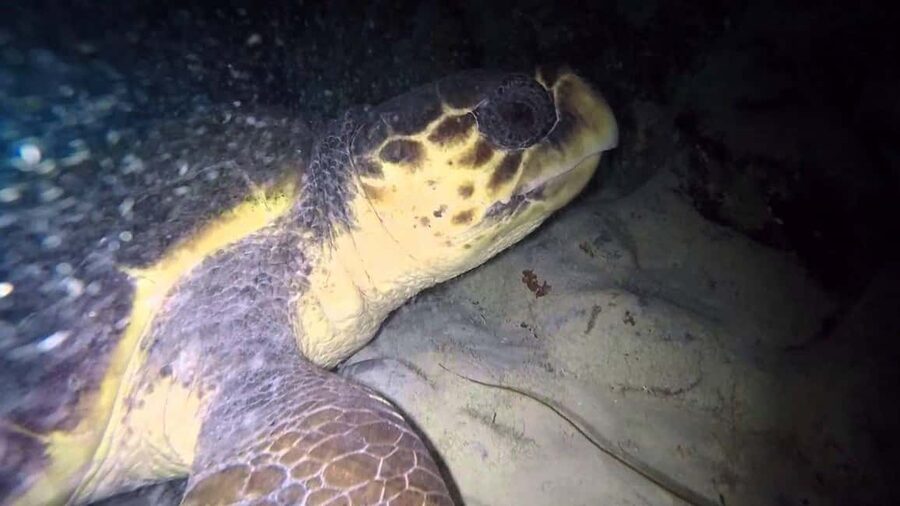
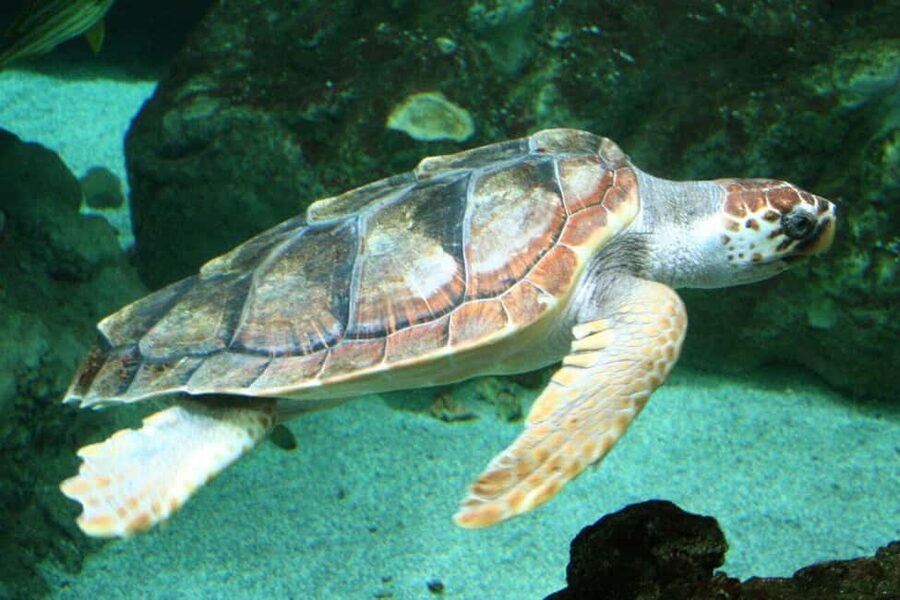
Sal is part of Cape Verde, an island nation off the coast of West Africa. Its beaches are important nesting grounds for loggerhead turtles, also called Caretta caretta. Cape Verde is described as the third-largest loggerhead reserve on Earth, after the United States and Oman.
That ranking gives this outing real purpose. You are not simply looking for wildlife on a beach. You are visiting a protected nesting area during the short period when adult females return from the sea to lay eggs. The event is quiet, slow, and easy to miss if people make too much noise or use strong lights.
The tour operates during the nesting season every day, including Sundays and public holidays. Exact sightings still depend on turtle behavior, weather, and the night’s conditions. The reported success rate is unusually encouraging, but it should not be treated as a guarantee for your particular evening.
I like the conservation side of the outing. Your booking helps fund local protection and education projects, and the guide explains why the turtles need care. This makes the experience more meaningful than a standard evening excursion, especially if you want your holiday spending to support local work.
More Sea Turtle Tours in Sal
- Turtle Watching Adventure
★ 5.0 · 98 reviews - Private Turtle Watching Experience
★ 5.0 · 12 reviews - Turtle Experience in Sal island
★ 4.0 · 5 reviews
From Santa Maria hotel pick-up to the protected beach
The evening begins with hotel pick-up in Santa Maria. You then take a short drive to one of several protected nesting beaches, including Algodeiro, Kite Beach, or Serra Negra.
The specific beach can vary, so you should not book this expecting a particular shore every time. The point is to reach a protected area where turtles are active that night. Santa Maria is the most convenient base because hotel transfers are included. If you are staying in Murdeira Village, transport is available for an extra fee.
Timing deserves attention. The planned activity lasts about two to three hours, but one outing described a 8:30 p.m. pick-up and a return to the hotel by 10 p.m. Another departure arrived 40 minutes late and spent only about an hour at the beach. That does not cancel out the value of seeing a turtle, but it does mean you should avoid making tight plans afterward.
The transfer itself is useful because finding a protected nesting beach at night would be difficult and could cause accidental disturbance. You also avoid arranging a taxi for a late return. Still, I would confirm the pick-up time with the operator on the day of the tour and allow some flexibility.
The briefing: turtle biology before the lights go out
At the beach, a local guide gives a short introduction to the turtles and the conservation work on Sal. English and Portuguese are guaranteed, with French, Italian, and Spanish also offered when possible.
This briefing matters because it explains the rules you will follow. You learn why bright lights, noise, strong scents, and sudden movement can disrupt a turtle. The guide also prepares you for the fact that the animal may take time to choose a nesting place.
The mood should be calm rather than theatrical. There is no need for a loud presentation or a busy schedule. You are being taught how to watch without becoming part of the problem.
Group sizes are kept small, which helps with silence and visibility. A private option gives your party its own vehicle and guide, along with more flexible service. It costs more, but it may suit you if you want a quieter arrangement or need extra control over the evening.
Walking quietly onto the sand
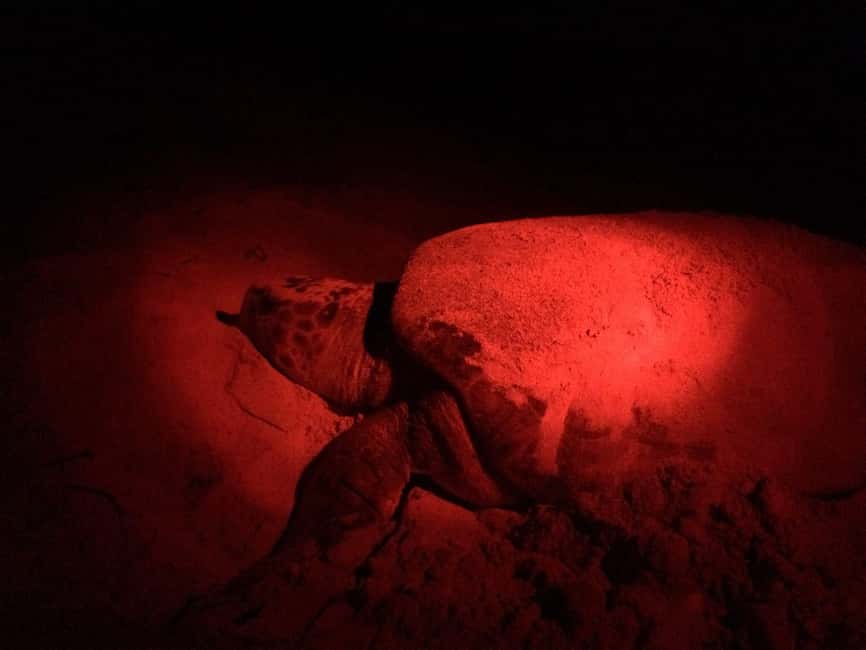
After the briefing, you walk quietly toward the beach using red or infrared lights. These lights allow the guide to locate and observe the turtles without the harsh beam of a normal flashlight.
This is one of the best practical features of the outing. You can see the turtle’s movements while reducing the risk of sending her back toward the ocean before she lays her eggs. Flash photography is not allowed, and neither are ordinary flashlights during the activity.
Wear sturdy, closed-toe shoes because the walk takes place on sand. Comfortable clothes are more useful than anything stylish, and dark colors are preferred because bright or reflective clothing can disturb the turtles. A light jacket or cardigan is sensible too, since the beach may feel cool at night.
Mosquitoes are a serious practical issue. One particularly useful warning is to cover your arms and legs. The instructions call for biodegradable, scent-free mosquito repellent, but they also list insect repellent among the items not allowed. Since those directions conflict, ask the operator what product and application method are acceptable before departure. Strong fragrances, sprays, scented lotions, and perfumes are not suitable.
More turtle trips:
- Santa Maria: Sea Turtle Watching Experience on Sal Island
★ 4.6 · 446 reviews - Boa Vista: Shark, Turtles, Cave, Sandboarding & Tasting Tour
★ 4.8 · 328 reviews - Santa Maria: Sal Island Sea Turtle Watching Experience
★ 4.5 · 256 reviews - Boavista: Turtle, Shark, Santa Monica, Sandboard & Tasting
★ 4.7 · 228 reviews
Watching the loggerhead nesting process
The most moving moment comes when a female turtle leaves the sea. She may crawl slowly up the beach, pause, and search for a suitable place to nest. This is not a staged wildlife show. You wait, keep quiet, and let the animal decide what happens next.
If conditions are right, you may see the full nesting cycle:
- The turtle clears an area of sand.
- She digs a body pit and then creates a deeper nest chamber.
- She lays her eggs.
- She covers the nest carefully with sand.
- She returns to the ocean.
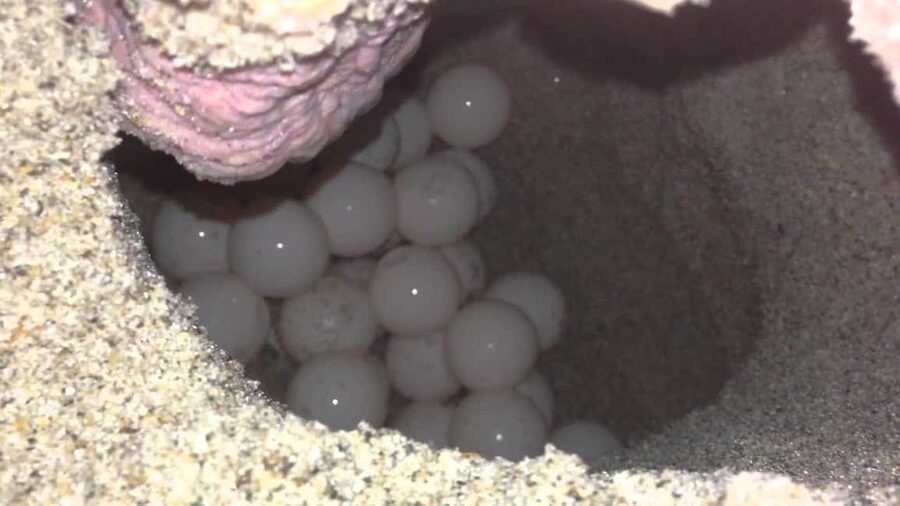
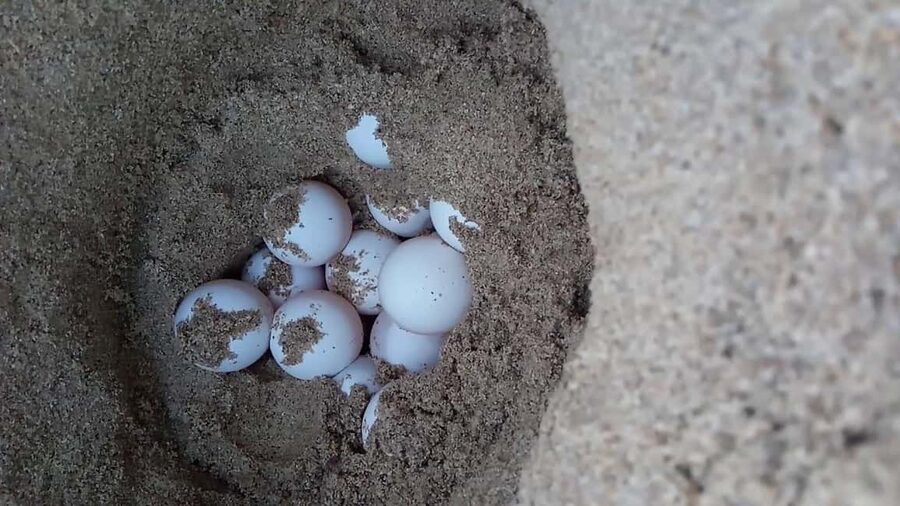
The turtle’s movements can look awkward at first, but the process has its own steady rhythm. Watching her cover the eggs is especially striking because the nest soon becomes almost impossible to spot. That hidden nest is the reason visitors must not touch the sand, walk over the area, or leave anything behind.
A guide helps position the group and uses the infrared light to provide a view without forcing you too close. The ethical approach is important here. You should never touch the turtle, block her path, feed animals, or interfere with a nest.
A false crawl is another possible sight. This happens when a turtle comes onto the beach but returns to the sea without laying eggs. It may feel like a missed opportunity, but it is still part of normal turtle behavior and a reminder that wildlife does not follow a tour schedule.
Hatchlings and the September to October chance
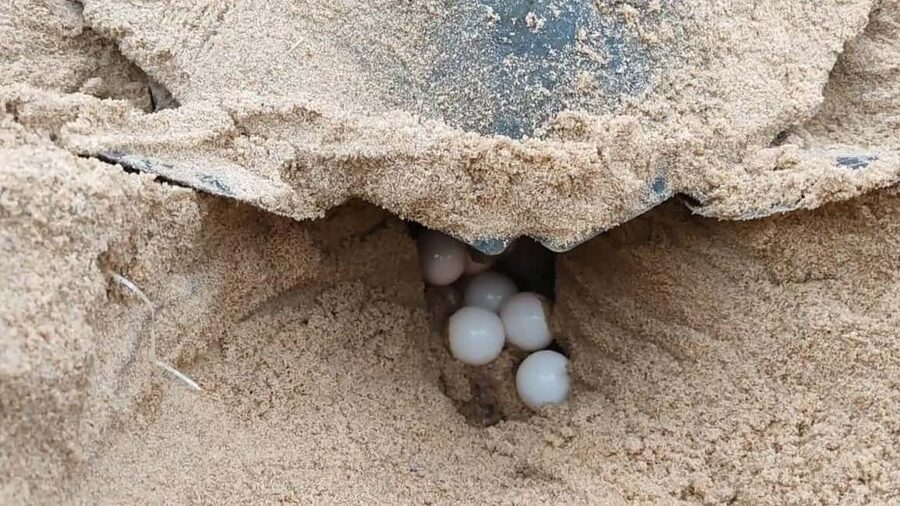
Tiny hatchlings may also appear, mainly in September and October. If you see them, the experience changes from watching a large adult turtle to observing a fragile race toward the ocean.
The baby turtle option is offered separately and includes the possibility of turtle adoption through a donation to conservation projects. It costs €10 per person. This is not included in the standard nesting tour, so check the exact activity before booking if hatchlings are your main goal.
You should keep expectations sensible. The central focus is adult loggerhead nesting. Hatchlings are a seasonal possibility, not the main promise of the evening. September and October give you the better chance, but nature still controls the result.
Is $46 good value for this Sal Island tour?
At $46 per person, the standard tour is fairly priced for a specialist wildlife outing that includes transport from Santa Maria, a local guide, conservation instruction, protected beach access, infrared lights, and liability insurance.
The value rests on three things. First, turtle sightings have been very strong over the past five seasons. Second, you do not need to arrange late-night transport or find the beach yourself. Third, the activity supports conservation work rather than treating the animals as a photo prop.
The price is less attractive if your tour runs much shorter than planned. A 90-minute evening can still contain a wonderful turtle sighting, but it gives you less time for waiting, learning, and watching the full nesting process. I would ask about the expected schedule when confirming your booking.
The private version costs more, though the exact supplement is not provided here. You receive a private vehicle and guide, flexible service, and the group-tour features. Soft drinks and snacks are available for an added charge, and a souvenir video of the nesting can also be arranged for an extra cost.
The private option makes the most sense for families, couples, or small groups who value privacy. It is not automatically better for seeing turtles, since the animals control the action, but it can make the transport and waiting period more comfortable.
A deluxe glamping version is also offered. The supplied details identify it as a higher-end choice with a glamping tent, snacks, and a souvenir video, but the exact price and inclusions should be checked before payment.
What to wear and what to leave behind
This is an outdoor night activity, not a dressed-up evening show. I would pack:
- Dark, comfortable clothing
- Long sleeves and long trousers
- Closed-toe walking shoes
- A light jacket or cardigan
- Scent-free mosquito repellent, after confirming the operator’s rule
- Only essential personal items
Leave pets, drones, alcohol, cigarettes, drugs, and bright clothing behind. Strong perfume, deodorant, scented lotion, aerosols, and reflective clothing can disturb the animals. Flash photography is forbidden, and loud behavior can ruin the viewing for everyone.
You also cannot touch marine life, feed animals, or leave rubbish on the beach. These rules are not fussy extras. They protect the turtle and help keep the nesting area usable for future seasons.
The tour is suitable for all ages in general, and child and infant seats can be requested for the vehicle. It is not suitable for wheelchair users or people with mobility impairments. Walking on sand at night requires steady movement and enough comfort to wait quietly outdoors.
The main strengths and the fair warnings
The strongest part of this outing is the turtle encounter itself. Seeing a loggerhead female lay eggs and cover the nest is a rare natural event, and one direct account described that moment as beautiful and fascinating.
The ethical handling also deserves credit. The guides use non-intrusive lighting and ask you to keep your distance, avoid noise, and leave the turtle in control. That approach gives the evening a calm tone and supports the conservation message.
The reported sighting rate is another major advantage. Nearly 100% over five nesting seasons is a powerful reason to consider the tour, although no wildlife trip can promise that every guest will see every stage.
The weak point is organization on some evenings. A late hotel pick-up and a shorter-than-advertised beach visit can make the experience feel rushed. If you are paying mainly for a two or three-hour wildlife watch, the actual time on the sand matters.
Mosquitoes are the other clear nuisance. Proper clothing and the right repellent will make a large difference. You should also be comfortable with silence and waiting. This is not the right choice if you need constant activity or a guaranteed photographic setup.
Who should book this experience?
I would recommend it to you if you care about wildlife, want a memorable night away from Santa Maria’s usual evening routine, and can follow strict conservation rules. Families with older children may find the nesting process fascinating, while couples may appreciate the quiet setting and unusual subject.
It also suits visitors who prefer a local guide and a small group over a large coach outing. The private option is useful if you want your own vehicle and guide, or if you are traveling with people who need a more flexible pace.
I would think twice if you have mobility limitations, dislike walking on sand, or cannot tolerate mosquitoes. You should also reconsider if you expect a polished three-hour show with snacks included in the basic price. The standard experience is simple: transport, briefing, a patient wait, and a chance to see wildlife behaving naturally.
FAQ
How much does the turtle nesting tour cost?
The standard tour costs $46 per person.
Where does the tour operate?
The experience takes place on Sal Island in Cape Verde, at protected nesting beaches such as Algodeiro, Kite Beach, or Serra Negra.
Is hotel transportation included?
Hotel pick-up and drop-off are included for hotels in Santa Maria. Transfers from Murdeira Village are available for an extra cost.
How long does the activity last?
The planned duration is about two to three hours. Actual outings can be shorter, so confirm the expected schedule when booking.
What languages are available?
English and Portuguese are guaranteed. French, Italian, and Spanish are available when possible.
How likely is it that I will see a turtle?
The tour reports nearly 100% turtle sighting success over the past five nesting seasons. Sightings remain subject to natural conditions.
Can I see baby turtles?
You might see hatchlings, mainly in September and October. A separate baby turtle observation tour is offered, with optional turtle adoption by donation for €10 per person.
Are private tours available?
Yes. Private tours include a private vehicle and guide, flexible service, and the features of the group option. Snacks, soft drinks, and a nesting video are available at extra cost.
What should I wear?
Wear dark, comfortable clothing, sturdy closed-toe shoes, and a light jacket or cardigan. Covering your arms and legs is wise because mosquitoes can be heavy.
Can I cancel the booking?
You can cancel up to 24 hours in advance for a full refund. You can also reserve and pay later, which keeps your plans flexible.
Should you book the Sal Island turtle night tour?
I would book this if seeing a loggerhead turtle in the wild matters more to you than a perfectly timed excursion. The high sighting rate, conservation focus, local guides, infrared lighting, and included Santa Maria transfer make $46 a reasonable price.
Go with realistic expectations. The evening may be shorter than planned, pick-up may run late, and mosquitoes are part of the deal. Wear dark long clothing, confirm the repellent rule, protect your schedule from tight connections, and bring patience.
For a rare, respectful look at one of nature’s most remarkable nighttime events, this is one of Sal’s strongest wildlife experiences.
More Evening Experiences
- Romantic Sunset & Glamping Experience
★ 5.0 · 34 reviews - From Boa Vista: Turtle Watching and Nesting Evening Tour
★ 4.8 · 49 reviews - Santa Maria: Guided Coastal Hike & Monte Leão Sunset
★ 4.5 · 37 reviews - Mindelo Cultural: city tour “Mindelo by Night”
★ 4.9 · 35 reviews
Just added around Santa Maria
- Sal Island All-inclusive Adults-only Catamaran Cruise★ 5.0 · 3 reviews
- 4×4 Off Road Full-Day Private Tour – Sal Island Hidden Secrets★ 5.0 · 3 reviews
- Sal Island: Full-day Private Experience with Local Guide★ 4.5 · 4 reviews
- Turtle Experience in Sal island★ 4.0 · 5 reviews
- Sal Island: Guided Full-Day Highlights Tour with Lunch★ 5.0 · 5 reviews
- Full Day Postcards of Sal Tour with Kite Beach and Local Lunch★ 3.5 · 5 reviews
- Sal island: Private Santa Maria City Tour, Street Art and Tapas★ 5.0 · 6 reviews
- Secrets of Sal Island 4×4 Tour with Pedra da Lume Salt Lake★ 4.5 · 6 reviews
Sea Turtle Watching, compared.
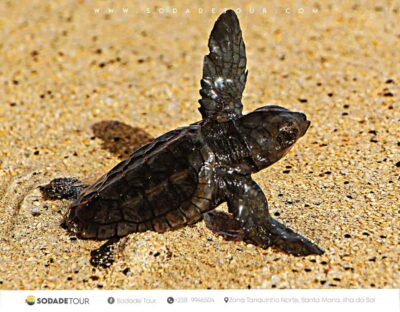

Shark, Turtles, Cave, Sandboarding & Tasting Tour
Read our review →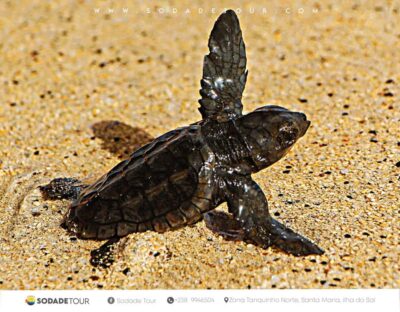
Turtle, Shark, Santa Monica, Sandboard & Tasting
Read our review →
Beautiful Beaches, Turtles & Djeu Island Snorkel
Read our review →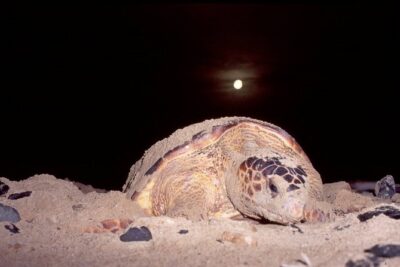
Browse the lists this tour appears in