
Reviewed · WORKSHOPS
Sal Island: Catxupa Cooking Class with a local family
Cook dinner, then meet Cape Verde. This two-hour Sal experience brings you into a local family setting to prepare catxupa, the country’s best-known dish, using corn, beans, and meat or fish. I like the hands-on format, and I like that you eat the meal you help make instead of simply watching a demonstration.
I also appreciate the small-group limit of 10 people and the included hotel pickup and drop-off. The main consideration is timing: two hours gives you a friendly introduction, but not a long cooking course or a full meal-by-meal look at Cape Verdean food.
In This Review
- Key points to know before booking
- Why catxupa tells you something about Sal
- Arriving at a local family home
- Preparing the two-hour catxupa meal
- Sharing food and Cape Verdean stories
- What the $41 price includes
- How the small group changes the experience
- The hosts and the human side of the meal
- Who will enjoy this Sal cooking class
- Useful booking details for a relaxed visit
- My verdict on the Sal catxupa experience
- FAQ
- Where does the catxupa cooking class take place?
- How long does the experience last?
- How much does the activity cost?
- What food will I learn to make?
- Is the meal included?
- How many people can join the class?
- Which languages are available?
- Where should I wait for pickup?
- Can I cancel the booking?
Key points to know before booking
- Catxupa is the star of the table: You learn the method behind Cape Verde’s most famous dish and receive a recipe you can try at home.
- The setting is personal: You cook with a local family rather than in a formal restaurant kitchen.
- The meal is part of the lesson: The class ends with catxupa prepared during the session, plus a taste of Cape Verdean gastronomy.
- Pickup keeps things simple: Hotel collection and return are included, with a request to wait in the lobby 10 minutes before pickup.
- Small groups make conversation easier: Numbers are limited to 10, with English, French, and Portuguese available.
- The price is $41 per person: That covers ingredients, instruction, the meal, local hosting, and transport.
Why catxupa tells you something about Sal
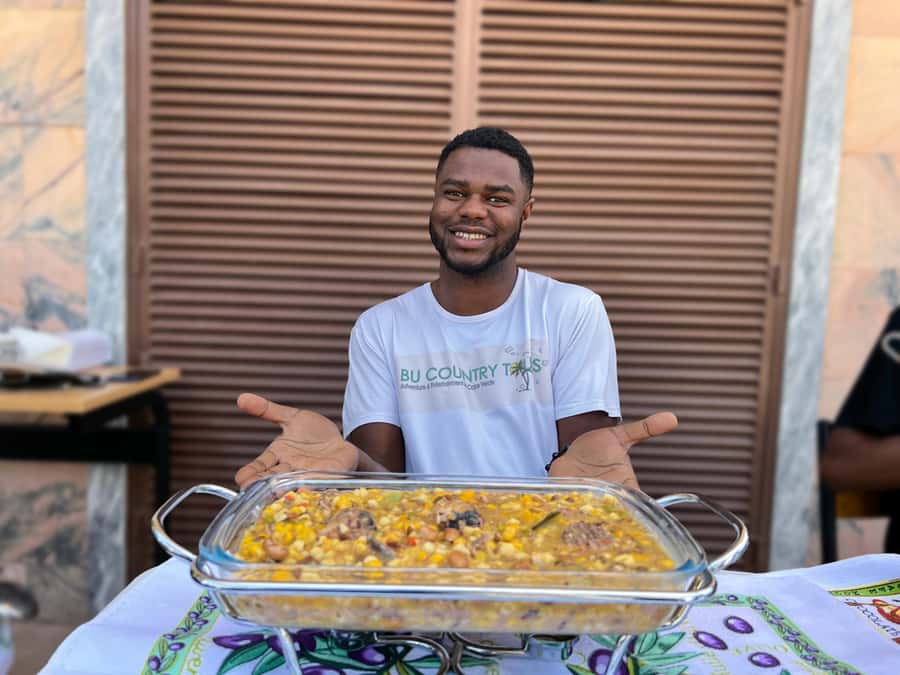
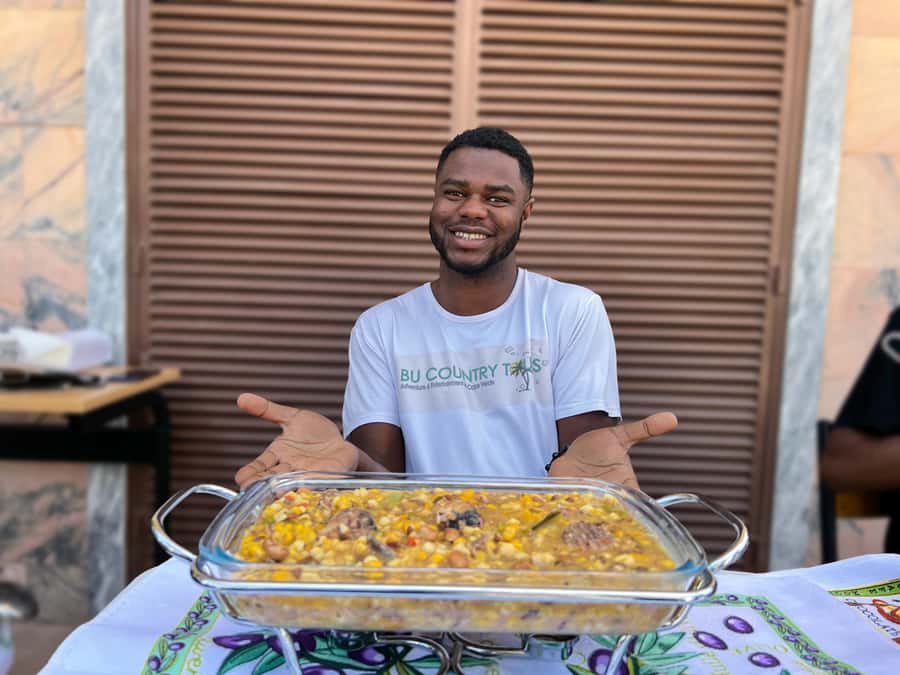
Catxupa is more than a recipe to copy into a notebook. It is a familiar Cape Verdean dish built from practical ingredients: corn, beans, and a choice of meat or fish. The result is filling, protein-packed, and closely tied to everyday food traditions.
I like cooking classes that explain why a dish matters, not just how to stir a pot. Here, the food gives you a direct way to connect with Cape Verdean life. You are not only tasting something prepared for tourists. You are learning about a dish people associate with home cooking, family meals, and local custom.
The recipe also has value after your holiday. Many cooking experiences end when the last bite disappears. This one gives you a dish you can attempt at home, which helps the memory last longer than a photograph.
You should keep expectations sensible. Catxupa is the focus, so this is not a broad survey of Cape Verdean cuisine. You will not learn a full menu in two hours. The reward is a closer look at one important dish, prepared in a family setting.
A few more Cape Verde trips worth weighing up
- Mindelo: creol cooking with Catia
★ 4.8 · 70 reviews
Arriving at a local family home
Your experience begins with hotel pickup on Sal. You are asked to wait in the lobby 10 minutes before the scheduled time, a small but useful rule that helps the activity start on time. Since pickup and return are included, you do not need to arrange separate transport for this short outing.
The family setting is the heart of the experience. A restaurant can serve you Cape Verdean food, but a home-style cooking session gives you a chance to see the meal as part of daily life. The atmosphere is likely to feel more relaxed and social than a standard class, although the exact shape of the welcome can vary.
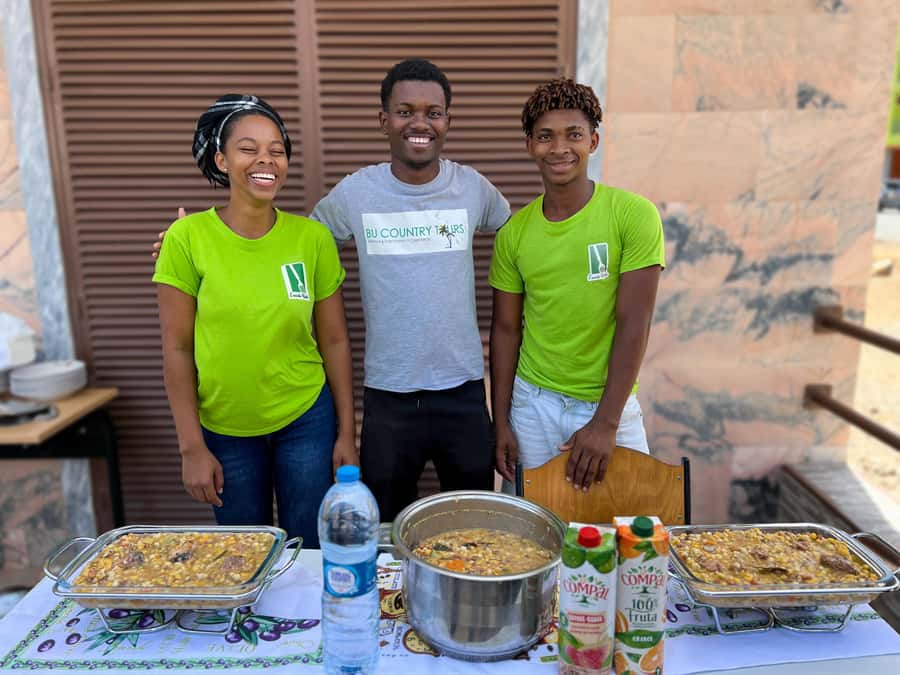
That personal contact has been one of the strongest parts of the experience. The host Melissa is described as welcoming and professional, while Alejandro receives praise as a very good guide. Those details matter because a friendly host can make a simple recipe lesson feel like a genuine cultural exchange.
The available languages are English, French, and Portuguese. If you are not comfortable in all three, check the language option when booking. A cooking class works best when you can ask questions, follow instructions, and chat around the table.
Preparing the two-hour catxupa meal
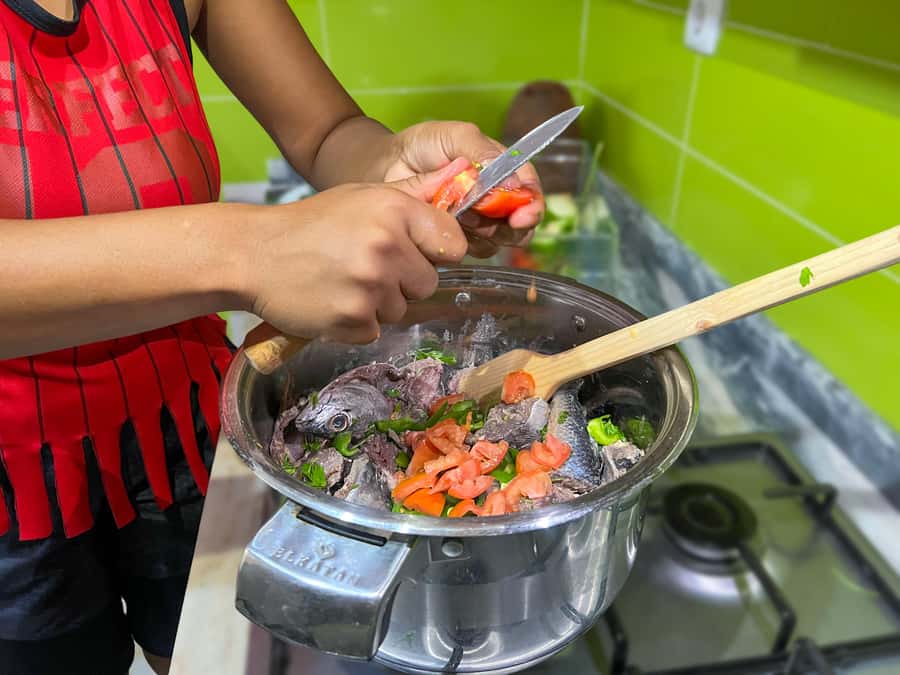
The class centers on making catxupa from the supplied ingredients. You take part in the cooking rather than simply watching a local cook work. That hands-on approach makes the food easier to understand, especially when you later try to recreate it at home.
The dish combines corn and beans with your choice of meat or fish. These ingredients create the basic character of catxupa, while the local cook provides the practical guidance needed to bring them together. The experience is not presented as a complicated chef’s course. That is a strength for most holidaymakers, since the recipe should feel approachable rather than intimidating.
I would pay close attention to the small choices the cook makes. A family recipe can teach you as much through timing and method as through a written ingredient list. Watch how the ingredients are handled, ask questions about the preparation, and make a mental note of anything that is not obvious from the recipe alone.
The two-hour length keeps the activity easy to fit into a Sal holiday. You can add it to a beach-focused schedule without giving up an entire day. The tradeoff is that the session may feel concise if you want a slow, detailed lesson with several dishes.
One particularly appealing part of the cooking is that it leads directly to lunch or dinner. You are not preparing a sample portion that disappears into the kitchen. The meal is part of the experience, so the work has a clear and satisfying finish.
Sharing food and Cape Verdean stories
Once the catxupa is ready, you sit down to taste what you have helped prepare. This shared meal gives the class a natural second half. Instead of rushing from cooking straight back to your hotel, you have time to enjoy the result and talk with your hosts.
The cultural side can go beyond food. One account of the experience included a small dance lesson and stories about Cape Verde. That may not be the same for every session, but it shows the kind of personal exchange that can happen around the meal. You may find that the conversation becomes as memorable as the recipe.
This is where the experience earns its place on a Sal schedule. Sal is known for its beaches and resort facilities, but a home meal offers another view of the island. You get a chance to hear about Cape Verdean traditions from people connected to them, rather than only seeing the destination through sightseeing stops.
I would not book this expecting a formal lecture. The value lies in the informal contact, the food, and the opportunity to ask questions. The exact balance between cooking, conversation, stories, and eating can depend on the host and the group.
More hands-on workshops:
- From Praia: Banana Plantation Tour and Cuscuz Workshop
★ 4.8 · 75 reviews - Surf Lessons
★ 5.0 · 60 reviews - Sal: Surf Lesson
★ 4.7 · 48 reviews - Sal: Kizomba Group Class – Santa Maria, Cape Verde
★ 4.5 · 28 reviews
What the $41 price includes
At $41 per person, the cost is reasonable for a two-hour hosted activity, especially because the fee includes more than ingredients. You receive hotel pickup and drop-off, a local cook, all ingredients for the catxupa, the cooking lesson, and the meal.
Transport is a useful part of the price. A short class can lose some of its value if you spend extra time and money arranging taxis. Here, the transport is built in, making the total cost easier to understand.
The small-group limit also helps. A maximum of 10 people is not the same as a private class, but it is more manageable than a large demonstration. You should have a better chance to see the preparation, take part, and speak with the host.
The value depends on what you want from a food activity. If you only want a cheap meal, $41 may seem high. If you want a meal plus local instruction, transport, and cultural contact, the price is fair. I see it as a good midrange choice for someone who values personal connection over a long list of dishes.
How the small group changes the experience
The group size is limited to 10 participants. That number keeps the gathering social while avoiding the feel of a large cooking show. You may share the class with other visitors, but the setting should still allow for direct contact with the cook and guide.
Small groups are especially useful when a recipe requires participation. In a crowded room, you might stand at the back and miss the important steps. With fewer people, it is easier to follow the preparation and ask about the ingredients.
There is still no guarantee that every participant gets the same amount of hands-on time. The class is hosted in a family environment, not described as a private lesson. If you want personal instruction at every stage, ask about a private option before booking. No private upgrade is specified here, so do not assume one is available.
The group limit also makes this a good choice for couples, families, and solo visitors who want a social activity without joining a very large crowd. It may be less appealing if you prefer to cook alone or move at your own pace.
The hosts and the human side of the meal
The strongest praise focuses on the welcome and the sense of authenticity. Melissa is noted for being warm and professional, and Alejandro is praised as an excellent guide. Another simple description calls the experience very authentic, which fits the family-based format.
Those personal details are important. A recipe is only part of a cooking class. The host sets the mood, explains the food, and helps you feel comfortable in an unfamiliar setting. A good guide also bridges language and cultural differences without making the exchange feel stiff.
You may also hear stories about Cape Verde and its food customs during the meal. The available information does not promise a fixed storytelling program, so I would treat this as a likely part of the conversation rather than a guaranteed lecture.
The warm welcome seems to be a consistent strength. One assessment gave four stars rather than five but still described the reception and planning positively. That is a useful reminder to judge the experience as a friendly, well-organized food activity, not as a full professional culinary school.
Who will enjoy this Sal cooking class
I would recommend this activity to you if you want a break from standard resort excursions. It gives you a chance to meet local people, prepare a national dish, and understand Cape Verde through food.
It is also a good fit if you enjoy bringing recipes home from your holidays. Catxupa uses recognizable ingredients, and the class is designed to leave you with a recipe you can try again. You do not need to be an experienced cook to get something from it.
Families may appreciate the practical format, provided everyone is comfortable taking part in a two-hour food activity. Couples and solo visitors can also enjoy the social setting and shared meal.
You might choose another activity if you want a long, technical class, several recipes, or a tour centered on scenery. This experience stays focused on one dish and the people who prepare it. That focus is its advantage, but it also sets a clear limit.
Useful booking details for a relaxed visit
The activity lasts two hours, so check the available starting times against your other plans. Pickup is included, but you should be in your hotel lobby 10 minutes before the scheduled collection time.
English, French, and Portuguese are offered. Select the language that will let you follow the cooking and take part in conversation most comfortably.
The experience allows free cancellation up to 24 hours before the start time for a full refund. You can also reserve now and pay later, which is helpful if your Sal schedule is still changing.
The booking information refers to a separate entrance for skipping the line. That feature is less central here than it would be for a major attraction, but it is included in the activity details.
My verdict on the Sal catxupa experience
I would book this class if you want a short, personal introduction to Cape Verdean food and family hospitality. The strongest reasons are the home setting, the chance to prepare catxupa yourself, the included meal, and the easy pickup service.
At $41, the experience offers solid value for a two-hour activity with food, transport, instruction, and a small group. Just remember that you are learning one signature dish, not taking a complete cooking course.
Book it when you want your Sal holiday to include conversation and local food, not only sun and sea. Skip it if your priority is a lengthy culinary workshop or a broad tasting menu. For most visitors who want an approachable cultural experience, this is a thoughtful and well-priced choice.
FAQ
Where does the catxupa cooking class take place?
The experience takes place in Sal, Cape Verde, with a local family. Hotel pickup and drop-off are included.
How long does the experience last?
The cooking class and meal last two hours.
How much does the activity cost?
The listed price is $41 per person.
What food will I learn to make?
You will learn to prepare catxupa, a well-known Cape Verdean dish made with corn, beans, and your choice of meat or fish.
Is the meal included?
Yes. The local cook and meal are included, along with all the ingredients needed for the catxupa.
How many people can join the class?
This is a small-group activity limited to 10 participants.
Which languages are available?
The live guide is available in English, French, and Portuguese.
Where should I wait for pickup?
You should wait in your hotel lobby 10 minutes before the scheduled pickup time.
Can I cancel the booking?
Yes. You can cancel up to 24 hours in advance for a full refund. You can also reserve now and pay later.
Just added around Cape Verde
- Santiago Island: Private Airport Transfer to Praia or Vice Versa★ 5.0 · 3 reviews
- Cape Verde – Santiago, Fogo, São Vicente & Santo Antão Islands 11 Days★ 5.0 · 3 reviews
- Cape Verde: Best Hikking Trails of Santiago Island – 6 Days★ 5.0 · 3 reviews
- Sal Island in a Group – A Full Day Exploring the Highlights★ 5.0 · 3 reviews
- Sal Island: Catamaran cruises on Sal Island★ 3.7 · 3 reviews
- Sal island: Guided Historical and Cultural Tour★ 4.4 · 3 reviews
- Praia City Tours★ 3.4 · 3 reviews
- Tarrafal to the Airport.★ 5.0 · 3 reviews
Workshops, compared.



Banana Plantation, Natural Park & Workshop with a local family
Read our review →
Browse the lists this tour appears in